Epoxy Flooring vs. Traditional Flooring: A Contrast


When choosing appropriate flooring for your area, the choices may seem daunting. A couple of well-liked choices that often come into play are epoxy flooring and traditional flooring materials. Epoxy flooring, renowned for its robustness and adaptability, has gained significant traction in both home and commercial contexts. As an increasing number of homeowners and business owners explore modern options, comprehending the benefits of epoxy floors can help make an informed decision.
Epoxy floors are particularly popular in areas like garages, basements, and storage areas, where durability against spills, stains, and significant foot traffic is essential. Garage floor epoxy is designed to withstand the demands of vehicle movement and tool storage, while basement epoxy flooring mitigates moisture and boosts the look of underappreciated areas. As we explore further the contrast, it is apparent that epoxy flooring offers several advantages that differentiate it from traditional flooring choices.
Overview of Epoxy Floor Coating
Epoxy floors has become momentum in the past few years as a durable and aesthetically pleasing flooring choice for different environments. Composed of a thermosetting resin and hardener, epoxy creates a strong bond when applied to surfaces, making it an perfect choice for busy areas. This type of flooring offers a smooth, glossy finish that is not only aesthetically pleasing but also simple to maintain and maintain.
One of the key positives of epoxy flooring is its toughness. It can tolerate significant impacts, abrasions, and chemical spills, making it a top choice for business environments such as storage facilities and workshops. Additionally, home uses, including garage floor epoxy and basement epoxy flooring, showcase its flexibility. basement epoxy floors, -lasting nature of epoxy, which can enhance the safety and functionality of their spaces.
Epoxy floors are also customizable, allowing for a range of colors and finishes that can match any design aesthetic. This flexibility can include decorative flakes or metallic finishes that add an additional dimension of visual interest. As more people realize the benefits of epoxy flooring, it continues to emerge as a premier choice for both residential and business applications.
Advantages of Epoxy Flooring
Epoxy-based flooring offers a range of benefits that make it an appealing option for both home and commercial spaces. One of the main advantages is its strength. They are tough to heavy traffic, dings, and spots, making them ideal for high-traffic areas such as vehicle-storage areas and lower levels. This strength ensures that the flooring holds its look and performance over time, reducing the need for constant repairs or substitutions.
Another noteworthy benefit of epoxy flooring is its visual attractiveness. Offered in a variety of shades and finishes, they can elevate the overall design of a space. They can create a smooth, contemporary look or imitate more classic flooring styles. This versatility allows residents and business owners to choose an epoxy finish that matches their style and personal style, making these floors not only functional but also pleasing to the eye as well.
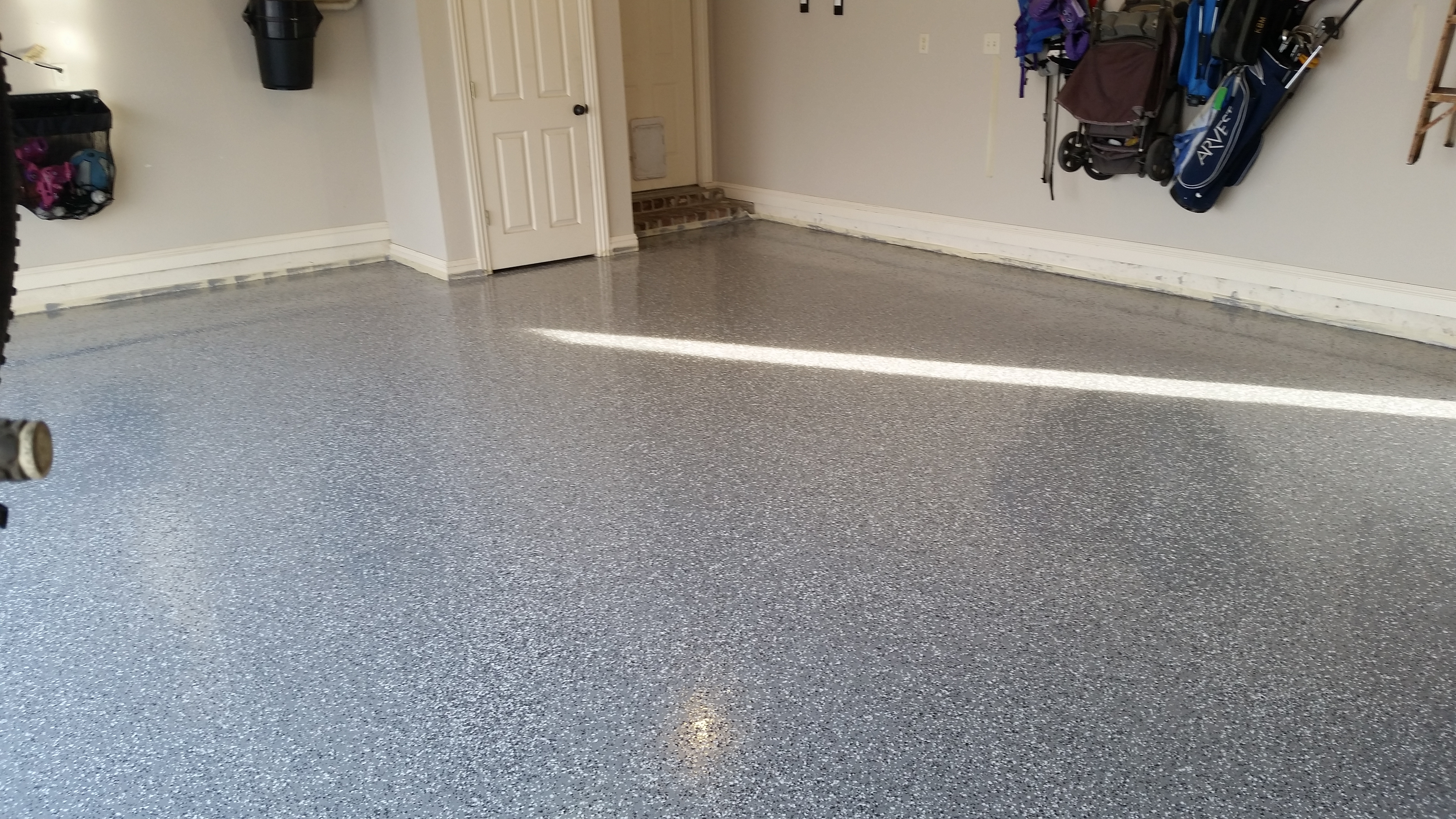
In addition, this type of flooring is simple to take care of. Its continuous finish blocks dirt and dust from accumulating in seams or fissures, allowing for simple cleaning. Quick sweeping and intermittent scrubbing with soft cleaners are typically enough to keep the flooring looking their best. This low maintenance requirement makes epoxy flooring a sensible choice for high-traffic areas where maintenance needs to be kept low.
Drawbacks of Epoxy Flooring
A notable major drawback of epoxy flooring is its sensitivity to temperature during the installation process. The curing process can be negatively impacted by severe temperatures, regardless of whether too hot or too cold. This can lead to improper bonding or bubbling in the epoxy surface. Consequently, installers must carefully monitor the environmental conditions and ensure the space is sufficiently prepared, which can complicate installation in regions with variable weather conditions.
Another issue with epoxy floors is the potential for being hazardous, especially when wet. While some formulations include slip-resistant materials, they may not provide sufficient traction for specific high-traffic areas or spaces prone to water exposure. This can present safety concerns, particularly in garage floor epoxy applications or basement epoxy flooring where leaks or water accumulation are common.
Lastly, while epoxy flooring is recognized for its durability, it is not impervious to damage. Heavy impacts can result in chipping or cracking, and while scratches may not be as noticeable, they can still detract from the floor's appearance over time. Regular maintenance and timely repairs are necessary to uphold the aesthetic and functional value of epoxy floors, which may not be attractive to all users.
Classic Floor Covering Options
When thinking about classic floor covering choices, hardwood is typically a top choice. Known for its everlasting beauty and strength, hardwood flooring adds comfort and character to any area. Available in various types, textures, and hues, it can complement a wide range of inside styles. However, care can be a concern, as hard wood flooring require consistent cleaning and intermittent touch-ups to ensure they remain appearing their best condition.
Ceramic flooring is also well-liked option, particularly in zones susceptible to moisture, such as kitchens and washrooms. Tile is available in a variety of materials, colors, and designs, providing versatility to match personal tastes. Moreover, it is highly robust and immune to moisture, making it an superb choice for spaces with high traffic or spill probabilities. The grout areas, though, can require frequent cleaning to avoid discoloration and mildew.
Carpet remains a favored floor covering choice, especially in living rooms and sleeping areas, due to its softness and acoustic qualities. It comes in a wide range of fabrics, shades, and patterns, allowing homeowners to create a cozy environment. On the downside, carpeting can stain easily and may need frequent maintenance and care to keep them appearing fresh. Additionally, they may not be the best option for those with sensitivities, as they can harbor dust and irritants.
Cost Comparison and Maintenance
When examining the costs of epoxy surfaces versus standard flooring materials, it's essential to assess both the upfront cost and long-term expenses. Epoxy flooring usually comes at a greater starting cost compared to materials like vinyl flooring or laminate surfaces; however, its durability commonly offsets these initial costs over time. While traditional flooring may require regular replacement or maintenance, epoxy floors are regarded for their resilience and endurance, making them an financially wise choice in the future, especially in busy locations such as vehicle storage areas or lower levels.
Care is another important factor that sets apart epoxy flooring from conventional choices. Epoxy surfaces are generally easier to maintain and preserve, requiring only occasional sweeping and infrequent mopping to keep them looking pristine. Unlike carpeted floors or wood floors, which may demand dedicated cleaning treatments and regular refinishing, garage floor epoxy and basement epoxy flooring are engineered to resist stains, spills, and damage. This low-maintenance characteristic makes epoxy flooring an desirable solution for homeowners in need of ease of use and efficiency.
Moreover, the lifespan of epoxy flooring typically ranges from 10 to 20 years, contingent upon traffic and demand, which significantly reduces long-term costs. In contrast, traditional flooring may need to be replaced entirely within a decade, contributing to continuous expenses. This long-term durability, combined with low maintenance needs, establishes epoxy flooring as a cost-effective and functional choice for both home and business uses.